You now know that there might be a reason for those mood swings around your period, the tiredness, increased energy, changes in appetite and why you sometimes might not want anything to do with anybody. All that is well, but is there anything you can do about it while you wait for a doctor’s appointment?
Yes, my friend! There is quite a lot you can do about it, actually! There are three main categories for this:
Food

As with the rest of our health, our mental health can benefit greatly from good nutrition. Eating a healthy diet and avoiding processed foods is helpful. Importantly, eating enough food is key, as too little food may result in a lack of nutrition to support the production of hormones. Eating enough calories, avoiding skipping meals and eating at regular intervals all support healthy hormone function.
Our iron levels also drop during periods because of the blood loss. Low iron can cause fatigue, anxiety and heavy periods. It is important to eat food rich in iron and B vitamins to avoid low iron, this can include dark leafy green vegetables and citrus foods that facilitate iron absorption. Foods like broccoli and protein (grass-fed meats, pasture-raised eggs and chicken and fish) are beneficial to keep energy levels high and fight off sugar cravings.
On a similar note, alcohol consumption can create and worsen symptoms associated with the menstrual cycle, including mental health symptoms. Drinking alcohol can impair the function of the glands that release the hormones as well as the areas that those hormones target. It is well understood that people who are struggling with their mental health are more likely to reach for an alcoholic drink to help them feel better (Alcohol, Think Again, 2023). When it comes to how this relates to our mental health, it can be tempting to reach for that glass of wine to help manage stress, feelings of depression or anxiety, but this may worsen your symptoms.
Exercise
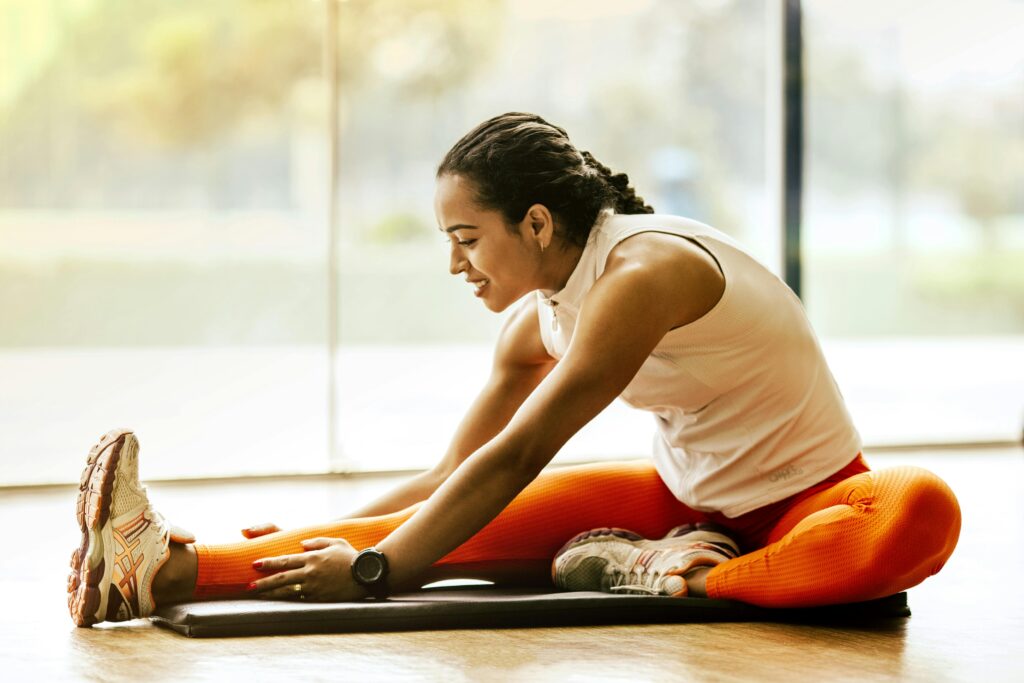
I know, I know, the last thing that you might want to do is exercise when you’re feeling low during your period. Exercise can do wonders for our mental health every day, and even more so during your period. Exercise has been proven to reduce cramps, and those extra endorphins produced improve your mood and energy levels.
If you have cramps or are menstruating, some gentle exercise such as going for a walk, doing yoga or pilates can be beneficial.
Rest
As we mentioned earlier, the rise in progesterone makes us feel calmer and can lead to better quality sleep. However, progesterone can also make you feel more anxious and even depressed, as it triggers the amygdala’s flight or fight response (Wiebe, 2019). That, along with a potential increase in cortisol can significantly increase our stress levels.
By doing activities that help us manage our stress, such as resting and doing relaxing activities, we can support our hormonal health. More so, rest can help alleviate premenstrual and menstrual symptoms such as cramps and mood imbalances. If all you feel like doing during your period is to curl up with a book or your favourite TV show, this is the time to do it!
Invitation to go deeper: Keep a diary of your usual eating and lifestyle habits and whether they have any effect on the health of your menstrual cycle (flow, duration and symptoms). Are there any things you could be doing differently to improve your menstrual cycle?
References
Ajari, E. (2021). Connecting the Dots Between Mental and Menstrual Health: An Exploratory Review. Journal of Health Reports and Technology. In Press. 10.5812/jhrt.114869.
Effects of Alcohol on Mental Health Australia. Alcohol Think Again. (n.d.). https://alcoholthinkagain.com.au/alcohol-and-your-health/alcohol-and-mental-health#:~:text=Alcohol%20and%20mental%20health%20conditions,can%20leave%20them%20feeling%20worse.
Handy, A. B., Greenfield, S. F., Yonkers, K. A., & Payne, L. A. (2022). Psychiatric symptoms across the menstrual cycle in adult women: A comprehensive review. Harvard Review of Psychiatry, 30(2), 100–117. doi:10.1097/hrp.0000000000000329
Hill, M. (2019). Period power. Green Tree.
Jean Hailes (2023). PMDD: PMS: Premenstrual dysphoric disorder. Retrieved from https://www.jeanhailes.org.au/health-a-z/periods/premenstrual-syndrome-pms#what-is-pms
Wiebe, J. (2019) What is the relationship between hormones and anxiety? Talkspace. https://www.talkspace.com/mental-health/conditions/articles/anxiety-hormones-connection/#:~:text=This%20hormone%20increases%20shortly%20after,maybe%20even%20a%20little%20depressed. Accessed 14 October 2023
Queensland Health, The State of Queensland (2023). Breaking the cycle: A guide to understanding and managing premenstrual dysphoric disorder (PMDD). Retrieved from https://www.health.qld.gov.au/news-events/news/breaking-the-cycle-a-guide-to-understanding-and-managing-premenstrual-dysphoric-disorder-pmdd